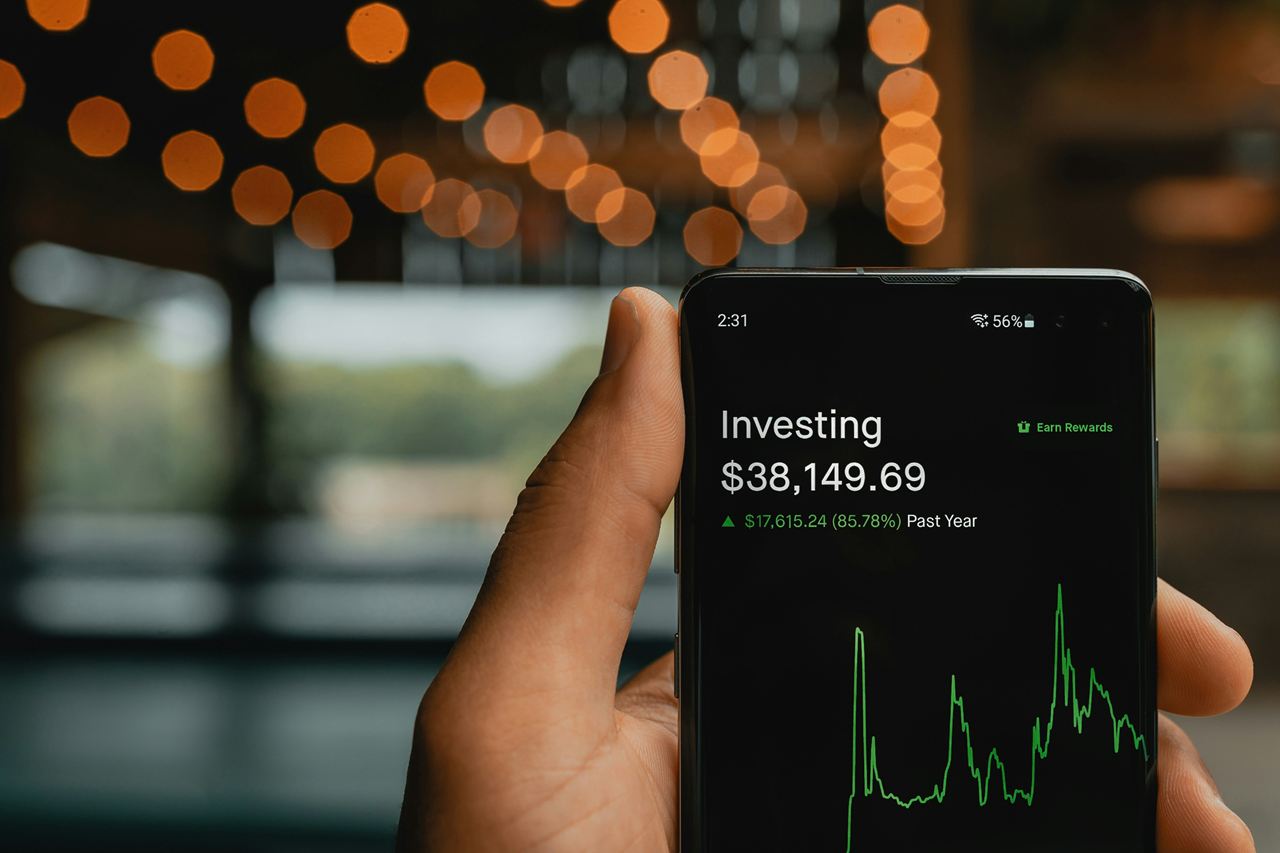
Compound Interest: Earning Returns on Your Returns
Often described as the “eighth wonder of the world,” the compound interest effect is one of the most powerful concepts in finance. It allows your savings to grow exponentially by earning returns not only on your original principal but also on the accumulated returns from previous periods.
How the Effect Works
The math behind compound interest is simple but its long-term impact is profound.
- Year 1: You invest 10,000 SEK. With a 10% annual return, you earn 1,000 SEK. Your total is now 11,000 SEK.
- Year 2: You now earn 10% on 11,000 SEK, which is 1,100 SEK. Your total grows to 12,100 SEK.
- The Result: While the initial difference seems small, over 30 years at 10% annual growth, your 10,000 SEK would grow to over 174,000 SEK without any further contributions.

Maximizing the Effect in Funds and Stocks
While the term mentions “interest,” the effect is just as powerful when applied to the capital growth and dividends of funds and stocks. To fully harness this power, consider these three professional tips:
1. Start Early and Save Regularly
Time is the most critical variable in the compound interest formula. The longer your money stays invested, the more powerful the exponential growth becomes. Regular monthly contributions smooth out market volatility and ensure consistent capital accumulation.
2. Reinvest Your Dividends
If you own stocks or funds that pay dividends, ensure those payments are automatically reinvested. By using dividends to buy more shares, you increase the base amount that generates future returns, significantly accelerating the growth curve.
3. Minimize Uninvested Cash
Because the compound interest effect relies on your money being active, keeping large cash balances in low-interest accounts can hinder your progress. For long-term goals, investing in diversified funds or stocks is typically more effective.
Calculating Future Value
The general formula for compound interest is: Principal x (1 + Rate)^Time.
For a monthly savings plan of 1,000 SEK with a 7% annual return, the math becomes more complex as it involves recurring deposits. After 10 years of consistent saving and compounding, a 1,000 SEK monthly contribution would grow to approximately 173,000 SEK (assuming 7% annual growth).
Risk and Performance Disclosure
The compound interest effect is a mathematical principle and not a guarantee of specific investment returns. Stock and fund markets are volatile, and your actual returns will fluctuate based on market conditions. Always consider your risk tolerance when choosing your investment vehicles.